

How to Use Wax for Braces
January 29, 2025
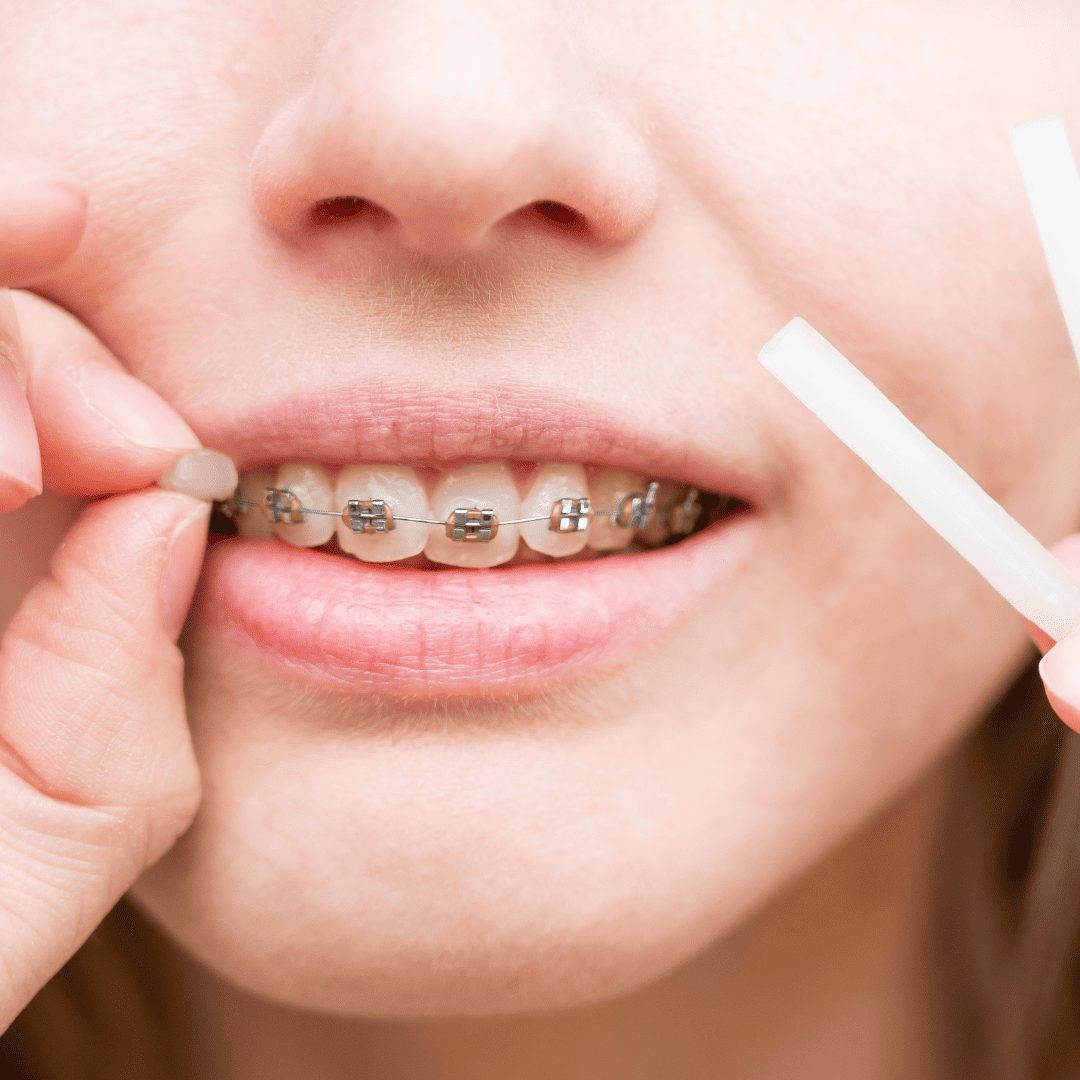
Braces are a great investment for a healthier, straighter smile, but they can sometimes cause discomfort, especially when brackets or wires rub against the inside of your mouth. Orthodontic wax is a simple, effective solution to protect your cheeks, lips, and gums while making your braces experience much more comfortable.
In this guide, we’ll explain what orthodontic wax is, how to use it, and tips for making the most of it during your orthodontic treatment.
What Is Orthodontic Wax?
Orthodontic wax is a soft, medical-grade material specifically created to provide comfort for people wearing braces. Its main purpose is to form a protective shield between the braces and the sensitive areas of your mouth, such as your cheeks, lips, and gums. This wax is completely safe to use, non-toxic, and easily moldable, making it perfect for reducing discomfort caused by sharp brackets, protruding wires, or other parts of your braces. By creating a smooth surface, orthodontic wax helps prevent irritation, reduces the chances of developing sores, and allows your mouth to heal while adjusting to your braces. It’s a small but essential tool that ensures your orthodontic journey is as comfortable as possible.
When Should You Use Wax for Braces?
Orthodontic wax is a versatile tool that can make wearing braces significantly more comfortable. It’s particularly helpful in situations where your braces cause irritation or discomfort. Below are the most common scenarios when orthodontic wax can come to your rescue:
- New Braces or Adjustments
The first few days after getting braces or following an adjustment can be challenging. Your mouth needs time to adapt to the new hardware, and this adjustment period can lead to tenderness and irritation. Orthodontic wax can provide immediate relief by creating a protective barrier between your braces and the soft tissues in your mouth, reducing discomfort and allowing your mouth to adjust more comfortably.
- Irritation or Sores
Braces often include small brackets and wires that can rub against the inside of your cheeks, lips, or gums, leading to irritation or the development of small sores. Orthodontic wax acts as a cushion, preventing direct contact between your braces and these sensitive areas. Applying wax to problem spots can soothe irritation and help your mouth heal faster.
- Broken Wires or Brackets
Sometimes, wires or brackets may break or become loose, leaving sharp edges that can poke or scratch the inside of your mouth. If this happens, orthodontic wax can temporarily cover the sharp edges, protecting your cheeks and gums until you can visit your orthodontist for repairs. This simple solution prevents further irritation and ensures your comfort while you wait for professional assistance.
Using orthodontic wax in these situations can greatly improve your experience with braces, allowing you to focus on the benefits of your treatment without being distracted by discomfort. Always keep some wax on hand for quick relief whenever you need it!
How to Use Wax for Braces: A Step-by-Step Guide
Orthodontic wax is an essential tool for managing the discomfort that braces can sometimes cause. Using it properly can make a big difference in how comfortable your treatment feels. Below is a detailed, step-by-step guide to help you apply orthodontic wax effectively:
- Wash Your Hands
Hygiene is critical when dealing with your mouth and braces. Before you begin, wash your hands thoroughly with soap and warm water. This step ensures that no dirt or bacteria is transferred to your mouth, reducing the risk of infection or irritation.
- Clean Your Braces
To ensure the wax sticks properly, it’s important to start with clean braces. Use a soft-bristled toothbrush to gently brush your teeth and braces, removing any food particles or plaque. Pay close attention to the areas around the brackets and wires. After brushing, dry the problem area with a clean tissue, gauze, or cloth. Wax adheres better to dry surfaces, so don’t skip this step.
- Prepare the Wax
Break off a small piece of orthodontic wax, approximately the size of a pea. Roll the wax between your fingers to soften it and form it into a smooth, pliable ball. Warming it with your fingers ensures it’s easier to mold and stick to your braces.
- Locate the Problem Area
Identify the specific part of your braces that is causing discomfort. This could be a bracket, wire, or any sharp edge rubbing against the inside of your cheeks, lips, or gums. If you’re unsure, gently feel with your tongue or look in a mirror for any irritated spots.
- Apply the Wax
Take the softened ball of wax and gently press it onto the problematic area. Mold the wax around the bracket or wire, ensuring it completely covers the sharp edges. Flatten it slightly to create a smooth surface that feels comfortable against your mouth.
- Check the Fit
Once the wax is applied, run your tongue over the area to ensure it feels smooth and comfortable. If you feel any sharp or rough edges, remove the wax and repeat the process with a fresh piece until the area is fully protected.
How Long Can You Leave Wax On?
Orthodontic wax is safe to leave on for several hours or even overnight. However, it’s important to remove and replace the wax:
- Before eating or drinking, as food can dislodge the wax.
- At least once a day to maintain oral hygiene.
What to Do If You Accidentally Swallow Wax
Accidentally swallowing orthodontic wax can happen, especially for first-time users. The good news is that orthodontic wax is made from non-toxic, medical-grade materials, meaning it is completely safe to ingest in small amounts. Your body will process and eliminate it naturally, so there’s no need to panic if this happens.
That said, it’s a good idea to avoid chewing on the wax to minimize the chances of swallowing larger amounts. Chewing can cause the wax to break apart or dislodge, which not only reduces its effectiveness but also increases the likelihood of ingestion. If you find yourself frequently swallowing wax, consider trimming the wax to a smaller size or applying it more securely.
If swallowing wax becomes a recurring issue, or if you experience discomfort or an upset stomach after swallowing it (which is very rare), consult your orthodontist for advice. They may suggest alternative products or techniques to help you use wax more effectively.
Why Wax Is Your Best Friend During Braces
Orthodontic wax is one of the simplest yet most effective tools to make your braces experience more comfortable. It creates a smooth, protective barrier between the sharp edges of your braces and the soft tissues inside your mouth, reducing the risk of painful irritation or sores. Whether you’re just getting used to new braces or dealing with a pesky wire or bracket, wax can provide immediate relief.
One of the biggest advantages of orthodontic wax is its ability to promote healing. By covering the areas of your braces that are causing irritation, wax allows the sensitive tissues in your mouth to recover without further aggravation. This is especially helpful for people who are prone to developing sores or sensitive spots during their treatment.
Over time, using wax becomes second nature. With a little practice, it only takes a minute to apply and can make a world of difference in your comfort. It’s lightweight, portable, and easy to carry with you, making it the ultimate on-the-go solution for any braces-related discomfort.
Orthodontic wax isn’t just about reducing discomfort—it’s about ensuring that your braces journey is as smooth and stress-free as possible. Having it on hand allows you to focus on the bigger picture: achieving the beautiful, healthy smile you’ve always wanted. So, don’t hesitate to rely on this handy tool whenever you need it—it truly is your best friend during your orthodontic treatment!
Need Help with Your Braces? Contact Parsons Orthodontics! At Parsons Orthodontics, we’re here to make your orthodontic journey as smooth as possible. Whether you need tips on using wax or have questions about your braces, our team is ready to help. Schedule an appointment today and let us take care of your smile!

