

How Long Does Invisalign Take?
December 27, 2024
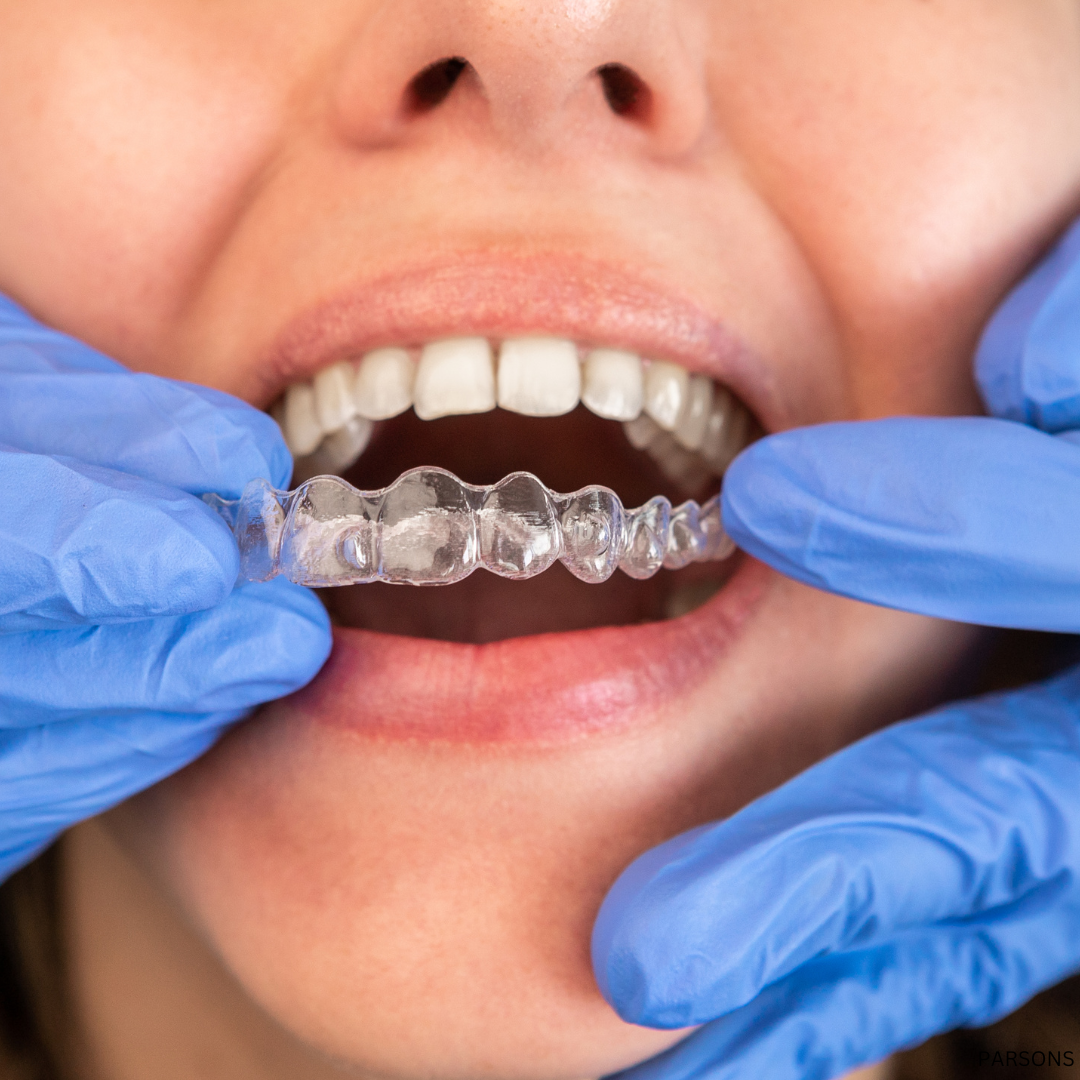
Think of Invisalign as the express lane to your dream smile—but how fast can you get there? If you’ve been dreaming of straight teeth without the metal, you’re probably wondering, “How long does Invisalign take?” The answer depends on how much traffic (a.k.a. dental challenges) your teeth need to navigate. For some, it’s a quick trip of just six months. For others, it’s a scenic route that takes up to two years.
In this guide, we’ll break down the factors that determine your Invisalign timeline, the average treatment duration for different cases, and pro tips to help you get to your destination—your perfect smile—faster and smoother. Buckle up and let’s get started!
Average Invisalign Treatment Timeline
The duration of Invisalign treatment depends largely on the complexity of your orthodontic issues. While every case is unique, the following timelines can help you understand what to expect based on the severity of your dental needs.
Mild Cases: 6 to 12 Months
For patients with mild orthodontic issues, Invisalign treatment is often a relatively quick process, typically lasting between six and twelve months. These cases usually involve minor adjustments to the alignment of teeth, such as closing small gaps, addressing slight crowding, or correcting mild misalignment.
In these situations, fewer aligners are needed to guide the teeth into their desired positions, which means progress is visible early in the treatment. Patients with mild cases often experience minimal discomfort, as the amount of movement required for each aligner is less significant. This shorter timeline makes Invisalign an appealing option for individuals seeking fast and subtle improvements to their smile.
Moderate Cases: 12 to 18 Months
For moderate cases, Invisalign treatment typically lasts between twelve and eighteen months. This category includes more noticeable issues such as moderate crowding, spacing problems, or mild bite misalignments like overbites and underbites.
In these cases, patients usually require a greater number of aligners to gradually adjust the teeth and bite alignment. Additionally, moderate cases may occasionally require refinements toward the end of the treatment, where extra aligners are used to perfect the results. While the timeline is longer than for mild cases, the flexibility and convenience of Invisalign make it an excellent choice for addressing these types of orthodontic concerns without the noticeable appearance of traditional braces.
Severe Cases: 18 to 24 Months or Longer
Severe orthodontic cases require a longer Invisalign treatment timeline, usually ranging from eighteen months to two years or more. These cases often involve significant crowding, complex spacing issues, or bite problems such as deep bites, crossbites, or open bites. Patients with jaw misalignment may also fall into this category.
In addition to a larger number of aligners, severe cases may require the use of attachments—small, tooth-colored bumps placed on the teeth to improve aligner grip and enhance movement. Elastics or other appliances may also be needed to correct more extensive bite issues. While the treatment is more intensive and may involve occasional refinements, Invisalign remains an effective solution for even the most challenging orthodontic problems.
Every Invisalign journey is unique, and your orthodontist will evaluate your teeth and bite during your initial consultation to provide an accurate estimate of your treatment timeline. Factors such as age, consistency in wearing aligners, and the need for refinements can all influence the duration. Regardless of the timeline, Invisalign is designed to deliver a healthier, more confident smile in a way that is both efficient and discreet.
Factors That Influence Invisalign Treatment Duration
The duration of Invisalign treatment isn’t set in stone; it varies based on several key factors. Understanding these elements can help you set realistic expectations for your orthodontic journey and ensure you achieve your dream smile as efficiently as possible.
1. Severity of the Case
The complexity of your orthodontic issues is the primary factor in determining how long Invisalign treatment will take. For mild cases involving small gaps or slight crowding, the treatment can often be completed in as little as six months. However, severe cases, such as those involving significant crowding, bite misalignments (overbite, underbite, or crossbite), or jaw alignment issues, require more time and effort.
Severe cases may involve additional aligners, attachments, or elastics to achieve precise results. Attachments are small, tooth-colored bumps placed on specific teeth to improve aligner grip and facilitate more complex movements. These extra steps can extend treatment duration, often taking 18 to 24 months or longer.
2. Consistency in Wearing Aligners
Invisalign aligners are designed to work continuously to move your teeth into their desired positions. For this to happen, they need to be worn for 20 to 22 hours a day. The only exceptions should be when you’re eating, drinking anything other than water, or brushing and flossing your teeth.
Failing to meet this daily wear time can slow down tooth movement and delay progress. For example, wearing aligners for only 16 to 18 hours a day can add weeks or even months to your treatment timeline. Consistency is crucial for maintaining the efficiency of the aligners and staying on schedule.
3. Age
Age plays a role in determining how quickly teeth can move during orthodontic treatment. Younger patients, such as teens, often experience faster tooth movement due to the natural growth and development of their jaws. This ongoing growth provides a more adaptable environment for tooth realignment, which can result in shorter treatment times.
In contrast, adults may require slightly longer treatment durations. While adult teeth can still move effectively with Invisalign, factors like denser bone structure and the absence of growth-related flexibility can slow the process. Additionally, adults with pre-existing dental conditions, such as gum disease or bone loss, may require extra care, which could extend the timeline.
4. Aligners and Refinements
The number of aligners required for your case significantly impacts the treatment duration. Each aligner is custom-made to move your teeth incrementally, with patients typically switching to a new aligner every one to two weeks. Mild cases may need only a small set of aligners, while moderate and severe cases may require dozens.
Refinement aligners are sometimes needed toward the end of treatment to perfect the final positioning of your teeth. These are additional aligners that address small adjustments that may have been overlooked or not fully corrected during the initial treatment. While refinements can add a few weeks or months to the timeline, they are crucial for achieving the best possible results and ensuring your smile is as straight and healthy as possible.
5. Orthodontist Expertise
The skill and experience of your Invisalign provider can also impact the duration of your treatment. An experienced orthodontist who specializes in Invisalign can create a highly efficient and precise treatment plan tailored to your specific needs.
Advanced knowledge allows orthodontists to predict potential challenges and design solutions that minimize delays. For example, they may use attachments strategically to facilitate quicker tooth movement or recommend mid-treatment adjustments to keep progress on track. Choosing a certified and experienced Invisalign provider ensures you receive expert care and maximizes the likelihood of completing treatment within the estimated timeline.
Setting Realistic Expectations for Your Invisalign Journey
Invisalign is a powerful tool for straightening teeth, but your commitment and cooperation play a significant role in the success and duration of your treatment. By understanding these factors and working closely with an experienced orthodontist, you can optimize your results and stay on track toward your dream smile.
Tips for Faster Invisalign Results
Invisalign treatment is an effective and discreet way to achieve a straighter smile, but the speed of your progress largely depends on your commitment to the process. By following these practical tips, you can stay on track and potentially shorten your treatment time.
1. Wear Aligners as Directed
The most important factor in ensuring your Invisalign treatment progresses as planned is wearing your aligners for the recommended 20-22 hours a day. Aligners work continuously to move your teeth into the desired position, and removing them too often interrupts this process.
Every hour your aligners are out of your mouth slows tooth movement, potentially adding weeks or even months to your treatment. To avoid delays, make it a habit to put your aligners back in immediately after meals or brushing your teeth.
2. Follow Your Orthodontist’s Instructions
Regular check-ups with your orthodontist are crucial for ensuring your treatment stays on schedule. During these visits, your orthodontist will monitor your progress, ensure your aligners fit correctly, and make any necessary adjustments to your treatment plan.
Skipping appointments or failing to follow your orthodontist’s guidance can result in poorly fitting aligners, which may hinder tooth movement and extend your timeline. Trusting your orthodontist’s expertise and adhering to their instructions is key to achieving the best results in the shortest time possible.
3. Use Chewies
Chewies are small, cylindrical rubber devices designed to help your aligners fit snugly against your teeth. Using chewies daily ensures that your aligners are seated properly, which enhances tooth movement and reduces gaps between the aligner and your teeth.
To use chewies, simply bite down on them gently for a few minutes each day, focusing on areas where the aligner may not be fitting as closely. This practice improves aligner effectiveness and ensures steady progress throughout your treatment.
4. Practice Good Oral Hygiene
Maintaining excellent oral hygiene is essential during Invisalign treatment. Clean teeth and aligners promote smooth tooth movement and prevent complications like gum inflammation or cavities, which could delay your progress.
Brush your teeth thoroughly after every meal to remove food particles and plaque. Clean your aligners daily with a soft toothbrush and lukewarm water or an Invisalign-approved cleaning solution. Keeping your mouth and aligners clean not only supports faster results but also ensures a healthier smile overall.
5. Avoid Eating with Aligners
While Invisalign aligners are durable, they are not designed to withstand the pressure of chewing or exposure to food particles. Eating or drinking anything other than water while wearing your aligners can cause them to warp or stain, compromising their fit and effectiveness.
Always remove your aligners before eating or drinking and store them in their protective case to prevent loss or damage. By doing so, you maintain the integrity of your aligners and allow them to continue guiding your teeth efficiently.
By committing to these tips and staying consistent throughout your treatment, you can maximize the effectiveness of your aligners and potentially shorten your Invisalign timeline.
Ready to Start Your Invisalign Journey?
Transforming your smile with Invisalign is a time investment, but the results last a lifetime. Contact Parsons Orthodontics in West Palm Beach today to schedule your free consultation. Let us help you determine how long your treatment will take and create a plan tailored to your goals.
Your dream smile is closer than you think—start today!

